

Air-Operated Diaphragm Pumps For Italian Industries — Precision, Safety & Reliability
Italy’s industrial sector is one of the most demanding in Europe. From chemical processing plants in the Po Valley to pharmaceutical manufacturers in Lombardy and food production facilities across the country, Italian industries need fluid handling solutions that combine engineering precision with zero compromise on safety. Teryair’s air-operated diaphragm pumps are built for exactly these environments, delivering consistent, contamination-free performance in some of the world’s most regulated industrial settings.
Why Italian Industries Trust Air-Operated Diaphragm Pumps
Italy is home to world-class chemical, ceramic, paint, marine, and food processing industries. Each of these sectors handles a wide range of fluids, from aggressive acids and solvents to thick slurries and hygiene-sensitive liquids. A reliable AODD pump meets all of these needs through one core design advantage: it runs entirely on compressed air, with no electrical components, no mechanical seals, and no risk of sparking in hazardous areas.
This makes an air-operated double-diaphragm pump the natural choice in ATEX-classified zones, outdoor processing environments, and anywhere electricity-dependent equipment poses a risk. For Italian manufacturers operating under strict EU safety and environmental directives, this is not just a preference, it is often a compliance requirement.
Key reasons Italian industries specify Teryair:
- No spark risk: safe operation in explosion-prone and solvent-heavy environments
- Dry-run protection: the pump will not damage itself if the fluid supply is interrupted
- Self-priming: no need for manual priming or additional equipment during startup
- Handles solids: ideal for ceramic slurries, pigments, and wastewater streams common in Italian manufacturing
- Easy maintenance: fewer moving parts mean less downtime and lower service costs
Pump Solutions Designed For Every Italian Application
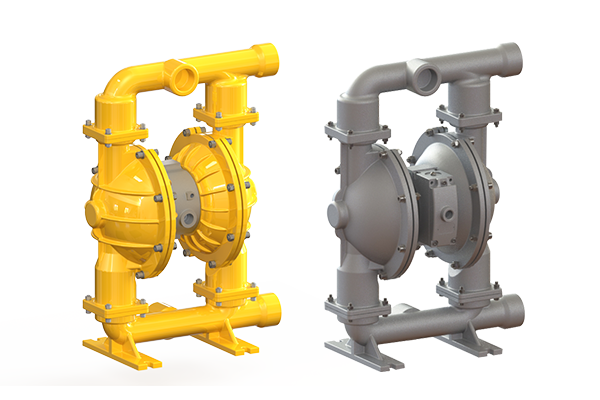
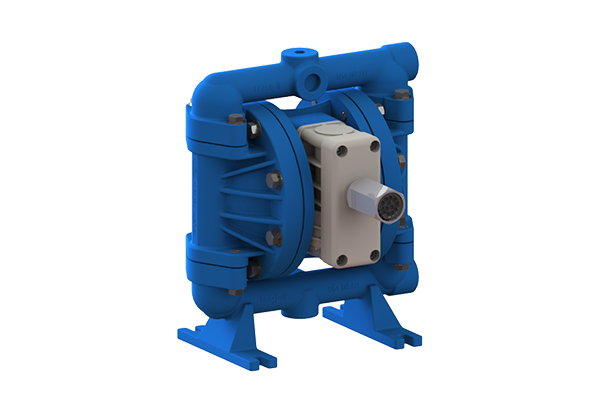
Teryair manufactures a complete range of air-operated diaphragm pumps tailored to specific industrial challenges. Whether you are moving aggressive chemicals, highly viscous fluids, or hygiene-sensitive products, there is a Teryair solution engineered for the job.
Chemical & Petrochemical
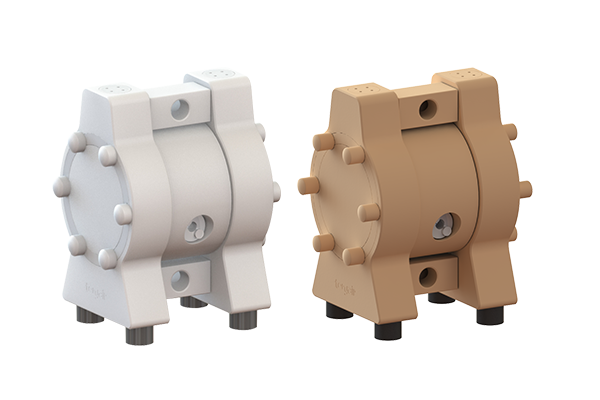
Italy’s chemical industry is one of Europe’s largest. Transferring acids, caustic solutions, solvents, and reactive fluids demands materials that resist attack from the inside out. Teryair’s PTFE diaphragm pump range is specifically designed for this environment. PTFE (polytetrafluoroethylene) is chemically inert to nearly all industrial fluids, making the PTFE diaphragm pump the preferred choice where corrosion and contamination cannot be tolerated.
Ceramics & Paints
Italy’s world-renowned ceramic tile and industrial paint sectors require pumps that handle dense, abrasive slurries without clogging or wear. A double diaphragm pump handles solids-laden fluids effectively, maintaining flow without damage to the pump body, making it the workhorse choice for glaze transfer, pigment dosing, and paint circulation systems.
Food, Beverage & Pharmaceutical
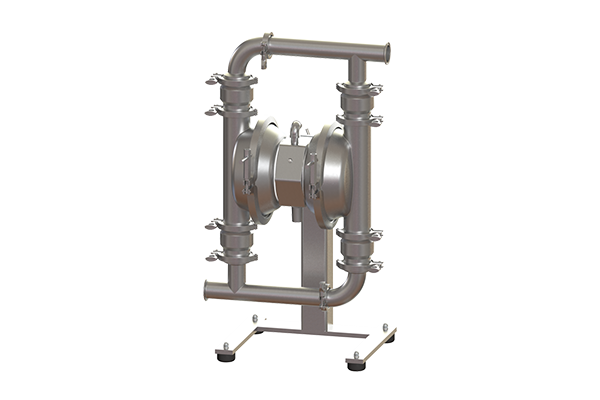
From pasta sauce production in Emilia-Romagna to pharmaceutical cleanrooms in Milan, hygienic fluid transfer is non-negotiable. Teryair’s sanitary stainless steel and polypropylene pump ranges comply with the cleanliness standards required in these sectors. The double diaphragm pump design eliminates mechanical seal contamination risk, keeping products pure from tank to line.
Marine & Offshore
Italy has one of Europe’s most active shipbuilding and marine services industries. Teryair’s marine-grade air diaphragm pump range is certified and built to handle the salt, vibration, and hazardous fluids common in marine environments, from bilge management to chemical transfer on board commercial and offshore vessels.
Technical Advantages That Matter In European Industrial Environments
Every Teryair AODD pump is engineered around real-world industrial performance criteria:
- Flow control without shutdown: adjust output simply by regulating air supply pressure
- Handles variable viscosities: from thin solvents to heavy oils and polymer slurries
- Suitable for submerged installation: ideal for sump, pit, or below-grade applications
- Reversible flow: allows line flushing or product recovery without additional equipment
- Wide material options: polypropylene, PVDF, aluminium, stainless steel, and PTFE are available across the product range
Teryair pumps meet CE marking requirements and IECEx certification standards, making regulatory acceptance in Italy and across the EU straightforward for engineers and procurement teams.
Supplying Italy — Global Capability, Local Support
Teryair is a specialist manufacturer and exporter with an established presence in global markets, including Europe. Italian distributors, OEM partners, and end-user industries can access the full Teryair product range, supported by technical documentation in English, detailed product datasheets, and responsive after-sales assistance.
Whether you are specifying a single air-operated diaphragm pump for a new installation or sourcing a complete fleet of pumps for a large-scale industrial project, Teryair’s team works with you to ensure the right pump is selected for your exact process parameters.
Explore the Categories






FAQ’s
Selecting the correct diaphragm material depends on chemical compatibility, temperature, abrasiveness, and fluid viscosity. PTFE is typically preferred for aggressive acids and solvents, while elastomers such as Santoprene or EPDM may be suitable for less corrosive applications. Proper material selection helps maximize diaphragm life and prevent contamination.
Air-operated diaphragm pumps are ideal for ATEX-classified zones because they operate using compressed air instead of electricity. With no electrical components at the drive point and no spark generation, they provide a safer solution for solvent-heavy, flammable, or explosion-prone industrial environments common in Italy’s chemical and marine sectors.
In many cases, yes. A properly selected AODD pump can handle a wide range of fluids, including thin solvents, viscous liquids, abrasive slurries, and solids-laden wastewater. However, pump body materials and diaphragm compatibility should always be evaluated before multi-application use.
The main considerations include chemical resistance, operating temperature, pressure requirements, hygiene standards, and environmental exposure. Polypropylene and PVDF are often chosen for corrosive chemicals, while stainless steel is preferred for food, beverages, and pharmaceutical applications.
Diaphragm pumps perform exceptionally well with abrasive and solids-containing fluids because they do not rely on close-clearance rotating parts. This makes them highly suitable for ceramic glaze transfer, pigment circulation, and slurry handling without excessive wear.
Routine maintenance generally includes diaphragm inspection, valve checks, seal monitoring, and compressed air system inspection. Preventive maintenance reduces downtime and helps maintain consistent flow performance, especially in continuous-duty industrial operations.
Poor-quality compressed air containing moisture, oil contamination, or particulates can reduce air valve efficiency and accelerate component wear. Using clean, filtered, and regulated air improves reliability and extends pump service life.
Yes. Stainless steel and sanitary-grade diaphragm pumps are widely used in hygiene-sensitive industries. Their seal-less design reduces contamination risks, making them suitable for food processing, beverage production, and pharmaceutical manufacturing.
Key selection parameters include flow rate, discharge pressure, fluid viscosity, solids content, suction lift, chemical composition, temperature, and installation environment. These factors help determine the most suitable pump configuration for your process.
A correctly sized and properly specified pump reduces energy waste, minimizes maintenance frequency, lowers spare parts consumption, and improves uptime. Over time, these advantages significantly reduce the total cost of ownership while improving operational efficiency.