

The Industrial-Fluid-Transfer-Process requires a pump that can handle aggressive chemicals, abrasives, and harsh operating conditions without compromising pump performance. Choosing the appropriate pump is key to the efficient operation of pumping systems, workplace safety, and long-term reliability. One pumping option that many industries today are turning to for their superior resistance to chemicals and performance characteristics is the PTFE diaphragm pump.
At Teryair, we recognize that when selecting the appropriate pumping solution, the potential user has to evaluate many technical and operational characteristics. Whether you work in chemical processing, pharmaceutical manufacturing, water treatment, paint and coatings manufacturing, or manufacturing, getting to know the important features of diaphragm pumps will help you to select an appropriate pump.
What Is A PTFE Diaphragm Pump?
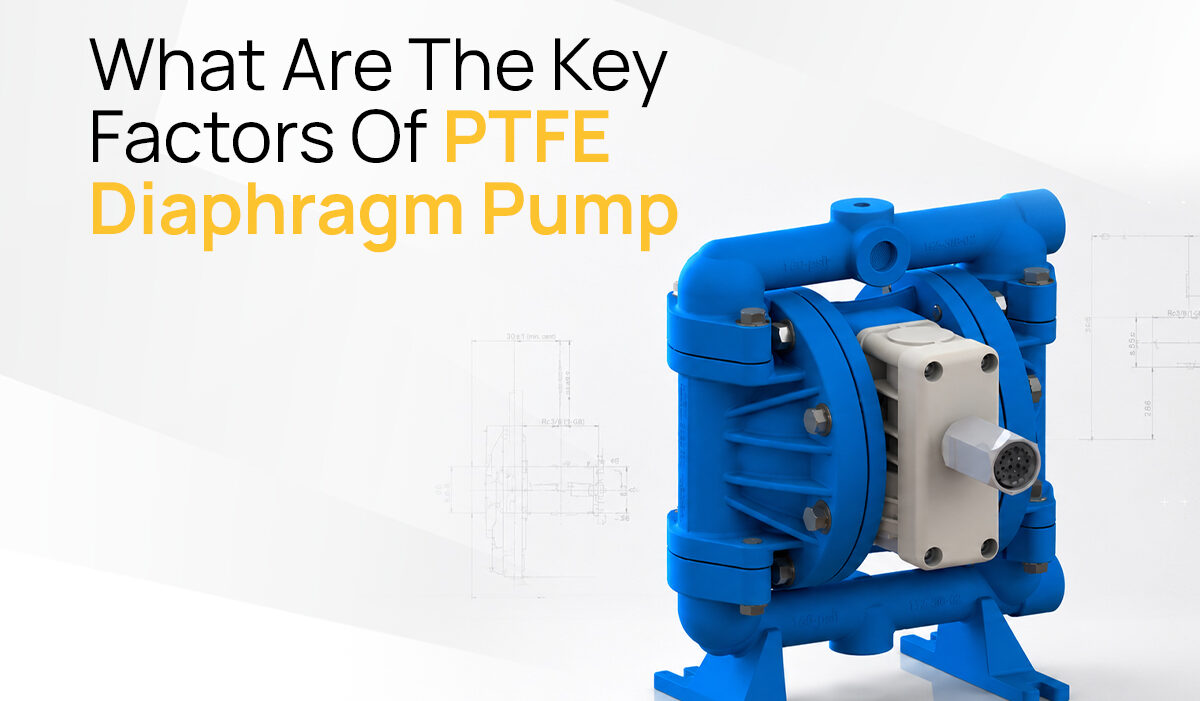
A PTFE diaphragm pump is a type of positive displacement pump that uses flexible diaphragms to move fluid through a pumping chamber. By using Polytetrafluoroethylene (PTFE), these pumps can provide excellent protection from many corrosive chemicals and solvents, as well as handle some of the toughest liquids and fluids that could damage conventional materials.
Diaphragm pumps are typically designed to handle the most demanding applications with little or no risk of failure from the materials of construction. Because PTFE is non-reactive, it is ideal for transferring acids, alkaline materials, solvents, and other fluids that require chemical compatibility and reliability over an extended period of time.
Because of their capabilities, PTFE pumping systems are utilized in many industries where safety, reliability, and chemical compatibility are of the highest importance.
Chemical Compatibility
The chemical compatibility of your pump is one of the most important factors that you will consider when selecting it. The materials of your pump must be able to withstand the fluids you intend to transfer without breaking down.
Because of their capability to withstand almost all types of chemicals, pumps equipped with PTFE (Polytetrafluoroethylene) diaphragms are ideal for chemical compatibility. By doing so, you reduce the possibility that your pump will corrode due to the chemicals you are pumping, that there will be contamination from the pump’s fluids to the chemical being pumped, and that the components of your pump will wear out prematurely.
If you are in an industry that deals with hazardous materials, such as sulphuric acid, hydrochloric acid, caustic solution, solvents, etc., you will likely use a PTFE diaphragm pump, as it provides consistent quality performance in these environments. The more you evaluate chemical compatibility before installing a pump, the less maintenance you will need to complete and the longer your equipment will last.
Durability & Life Cycle
The longevity of pumps has a direct effect on their effectiveness during use and the costs associated with service or maintenance – repeated failures due to the service or replacement of a diaphragm will result in periods when no work is performed, thus affecting the overall output produced by the operation.
A diaphragm pump that is constructed from PTFE materials provides the ability to resist damage caused by the use of aggressive materials & long periods of continual operation. PTFE diaphragms can sustain their flexibility and ability to provide an effective method of moving fluids in harsh conditions.
When PTFE diaphragms are properly selected, operated within their normal parameters, and maintained, they will contribute to lower operating expenses while increasing the reliability of the system.
Pumping Efficiency
Efficiency is an important factor in overall system performance; pumps need to maintain consistent flows while minimizing energy and operational downtime. Many industries favour the use of AODD pumps for their ability to transfer fluids efficiently without having to use complicated electrical systems. AODD pumps are able to operate in a wide variety of flow conditions, have the capacity to deliver high and low-viscosity fluids effectively, and provide easy on-site maintenance.
The performance of a diaphragm pump can be affected by diaphragm quality, air supply continuity, fluid characteristics, and system design. Ensuring that you select a well-designed pump will enhance the efficiency and control of your operation.
Safety In Risky Places
When working in industries that involve flammable and/or hazardous materials, safety is always an important factor to consider when evaluating the equipment used to perform the tasks.
In order to minimize the risk of ignition, equipment designed to be used in these environments needs to limit the potential for ignition.
An air-operated double diaphragm pump has a large safety benefit over traditional pumps because it operates on compressed air and does not use electricity. Therefore, it can be used in hazardous environments without electrical sparks igniting any hazardous materials.
Using PTFE diaphragms will additionally help hold aggressive chemicals in a safe and secure manner, lessening the potential for leak hazards and personnel exposure to harmful materials.
The design of safety-oriented pumps must be a major area of concern for all facilities in chemical plants, refineries, marine applications, and hazardous chemical processing environments.
PTFE Diaphragm Pump Capabilities
Many industrial processes require the transfer of various types of liquids and/or materials having different physical properties (i.e., viscosity, solid content, and chemical makeup) from one location to another. Therefore, it is crucial that industrial pumps are capable of accommodating these variable transfer requirements.
PTFE diaphragm pumps are designed specifically for chemical process environments and can handle:
- Corrosive Chemicals
- Solvent Solutions
- Acidic and Alkaline Solutions
- Abrasive Consistencies
- Higher Viscosity Liquids
- Sensitive Products That Must Remain Contamination-Free
Due to the wide variety of materials that these pumps can handle, PTFE diaphragm pumps are utilized in numerous different industrial applications, thereby reducing the number of separate pumping systems required by the facility.
Maintenance Requirements
Maintenance costs play an important role in determining the total cost of ownership for any pump equipment. A simple maintenance approach for pumps will provide greater uptime and lower operating costs.
Typically, a properly designed air diaphragm pump has fewer moving parts than many other traditional pumping types, which allows for easier inspection, servicing, and replacement of individual components.
The use of PTFE diaphragms also helps to reduce how often a pump needs to be maintained because of their resistance to chemical attack and general wear and tear on the material.
By utilizing proper operating practices and performing regular preventative maintenance, you will maximize the performance of your pump and extend its useful life.
Capability Of Operating Without Liquids
Many industrial applications have conditions in which there may be a temporary lack of fluid in pumps. Some types of pumps could be impacted immediately if run dry.
One positive aspect of AODD pumps is their capacity to tolerate running without liquid for short durations. This gives you operational flexibility (are more adaptable to process fluctuations) and can prevent costly damages to pump operation.
If your facility is subject to either batch processing or changing products with different amounts of fluid in the system, then it is important that you consider dry running capabilities when choosing a pumping solution.
Flexible Control of the Rate Of Flow
Many new industrial processes will need to have precise flow control in order to adjust to changing production requirements.
The PTFE diaphragm pump provides excellent flow control through the simple regulation of air supply pressure. By providing the operator with the ability to adjust the rate of flow without having a complicated control system, process efficiency is improved, while at the same time, the cost of operating the equipment is reduced.
Diaphragm pumps also provide the flexibility that would be helpful for applications requiring variable transfer rates and accurate process control.
Environmental and Operational Reliability
Sustainability is now one of the primary focuses of most companies due to today’s emphasis on being environmentally conscious; thus, having reliable equipment goes hand in hand with achieving this goal.
An AODD pump with quality diaphragms and accurately designed components can help reduce the potential for leaks, waste from products, and disruptions to the operation due to maintenance activities.
When facilities reduce their fluid loss through the reliable operation of their pumps, they are more productive, as well as helping to meet their environmental compliance requirements.
Choosing a Manufacturer of Pumps
When it comes to selecting a pump, choosing one with the right specifications isn’t the only consideration. A manufacturer who understands the challenges you face in your industry and the operational requirements of your business is essential.
At Teryair, our primary goal is to provide pneumatic and fluid handling products that work in demanding commercial environments. We deliver products based on our engineering knowledge, the highest quality standards, and exceptional customer support for the reliable and efficient operation of fluid transfer systems.
The correct pump technology applied to an application involving hazardous, corrosive, and/or abrasive materials or chemicals and/or that requires complex processes can have a substantial impact on an operation’s performance and total cost of ownership.
Summary
The PTFE diaphragm pump provides outstanding chemical resistance and has an impressive track record for strength and reliability. It offers a range of options for handling various fluids in diverse applications, including hazardous chemicals and non-hazardous liquids. When evaluating pumping equipment, it is essential to consider several key criteria, including but not limited to compatibility with the chemicals being pumped; ease of maintenance; ability to control flow rate; ability to run dry; and operational dependability.
As the demand for superior performance and safety continues to rise in the marketplace, diaphragm pumps represent a well-established technology for fluid transfer applications throughout the globe. Understanding the above factors and partnering with an experienced manufacturer such as Teryair will enable your business to achieve reliable operation (reducing downtime) while increasing overall productivity for years to create a significant return on your investment in pumping equipment.
PTFE is highly resistant to chemicals, corrosion, and aggressive fluids, making it ideal for demanding industrial fluid transfer applications.
PTFE diaphragm pumps are widely used in chemical processing, pharmaceuticals, water treatment, paints, coatings, and manufacturing industries.
Yes, PTFE diaphragms are specifically designed to handle corrosive chemicals, acids, alkalis, solvents, and other aggressive fluids safely and efficiently.
An AODD pump offers self-priming capability, dry-running protection, easy maintenance, flexible flow control, and safe operation in hazardous environments.
Consider factors such as chemical compatibility, flow rate requirements, fluid viscosity, operating conditions, maintenance needs, and overall system performance before selecting a pump.