

Industrial operations require power systems that are reliable, efficient, durable, and capable of performing consistently in demanding working environments. From automation systems and packaging lines to chemical plants and material handling equipment, industries rely heavily on pneumatic technologies for smooth and safe operations. Among the most widely used pneumatic drive systems is the pneumatic vane motor, known for its compact structure, variable speed capability, and reliable torque performance. Designed to operate using compressed air, these motors are widely preferred in industrial applications where electric motors may not be suitable due to moisture, dust, heat, or hazardous operating conditions. Understanding how a pneumatic vane motor works helps industries choose the right system for operational efficiency, safety, and long-term performance. Its simple mechanism and dependable operation make
In this blog, we explore the working principle, internal components, industrial applications, advantages, and operational benefits of vane-based pneumatic technology.
What Is A Pneumatic Vane Motor?
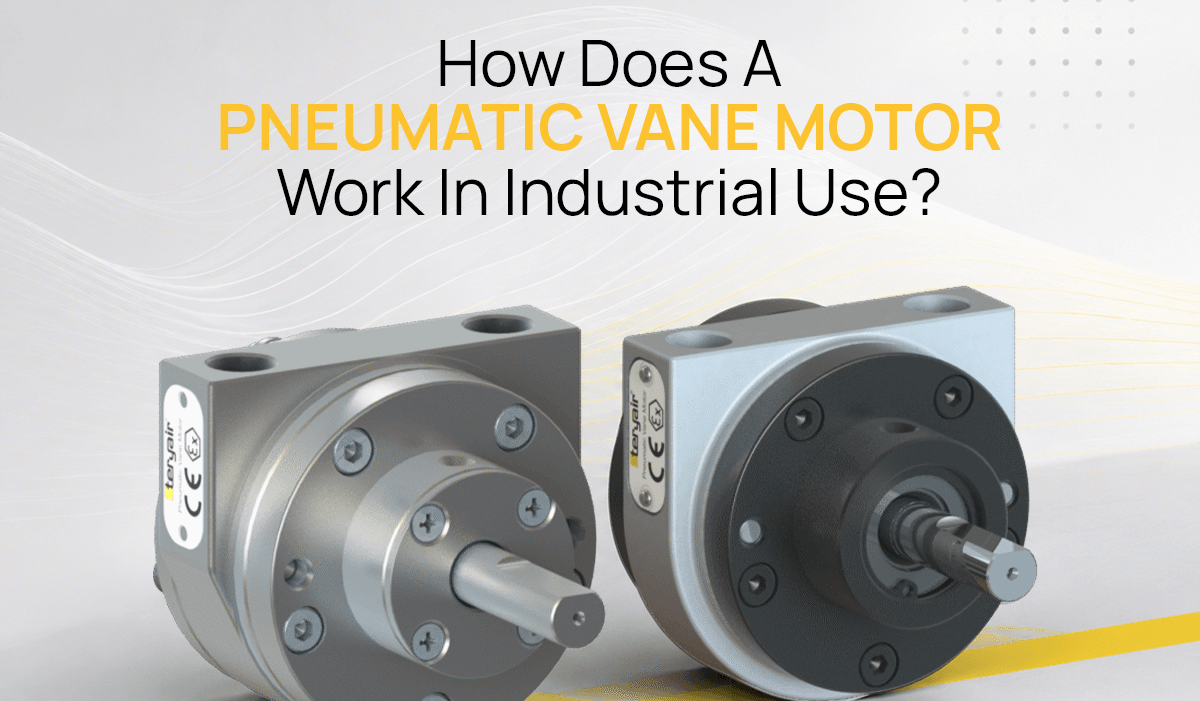
This is a rotary device powered by compressed air. It converts pneumatic energy into mechanical rotational motion through the movement of vanes inside a cylindrical chamber. The motor consists of a rotor mounted eccentrically inside a housing. Multiple sliding vanes are placed within slots in the rotor. When compressed air enters the chamber, it pushes the vanes outward against the housing wall, creating rotational force. This simple yet highly effective mechanism allows industries to achieve controlled rotational movement with reliable torque and speed variation. Because of its lightweight design and operational flexibility, the pneumatic vane motor is commonly used in industrial machinery requiring continuous or variable-speed performance.
Basic Working Principle
Understanding the operating cycle helps explain why this technology is widely adopted across industrial sectors.
Step 1: Compressed Air Entry
The operation begins when compressed air enters the motor chamber through the inlet port. The airflow is directed toward the rotor assembly inside the housing.
Step 2: Expansion Of Vanes
As air pressure enters the chamber, the vanes slide outward due to centrifugal force and air pressure. These vanes maintain contact with the inner wall of the housing. The expanding air pushes against the vanes, generating rotational movement within the rotor.
Step 3: Rotational Motion Generation
The continuous airflow creates pressure differences between adjacent vane chambers. This pressure imbalance rotates the rotor, producing mechanical output. This rotating action enables the pneumatic motor to drive industrial equipment such as mixers, conveyors, winches, agitators, and automated systems.
Step 4: Exhaust Air Release
After generating motion, the compressed air is used and exits through the exhaust port. The cycle then repeats continuously as long as compressed air is supplied. This straightforward operating mechanism contributes to the reliability and low maintenance characteristics of a vane pneumatic motor.
Main Components Of A Pneumatic Vane Motor
Several internal components work together to ensure smooth and efficient operation.
Rotor
The rotor is the central rotating component positioned eccentrically inside the housing.
Vanes
Sliding vanes move in and out of rotor slots while maintaining contact with the chamber wall. These vanes are responsible for converting air pressure into rotational force. The performance of a pneumatic vane motor largely depends on the quality and durability of the vane material.
Housing
The cylindrical housing forms the outer chamber where compressed air expansion occurs.
Air Inlet and Exhaust Ports
These ports regulate airflow into and out of the motor system.
Bearings and Shaft
Bearings support smooth rotation while the shaft transfers mechanical power to industrial machinery.
Why Industries Prefer Pneumatic Vane Motors
Industrial sectors choose pneumatic systems because of their operational flexibility and safety advantages.
Compact And Lightweight Design
A pneumatic vane motor delivers high power output while maintaining compact dimensions. This makes installation easier in space-constrained industrial environments.
Variable Speed Control
Industries often require adjustable operating speeds depending on production demands. One major advantage of a vane pneumatic motor is its easy speed variation through simple airflow and pressure adjustments. This eliminates the need for complicated electronic control systems.
Safe Operation In Hazardous Areas
Pneumatic systems operate without electrical sparks, making them suitable for explosive or flammable industrial environments. Industries such as chemical processing, paint manufacturing, and oil handling widely use pneumatic systems for this reason.
Stall Resistance
Unlike conventional electric drives, a pneumatic motor can safely stall under overload conditions without sustaining internal damage. This operational safety improves equipment reliability in fluctuating load applications.
Reliable Continuous Operation
Industrial production systems often require uninterrupted operations for long durations. A properly designed pneumatic vane motor performs efficiently during continuous-duty applications while resisting overheating issues.
Industrial Applications Of Pneumatic Vane Motors
Packaging Industry
Packaging machinery requires controlled speed and quick response performance. Pneumatic systems help maintain production accuracy and operational consistency.
Chemical Processing Plants
Chemical industries require safe equipment capable of operating in hazardous environments. Pneumatic systems support these safety requirements effectively.
Food and Beverage Manufacturing
Food processing facilities often use pneumatic technology because it performs well in moisture-rich and washdown environments.
Printing and Converting Industry
Printing machinery relies on stable rotational control and precise motion handling, making pneumatic drives highly suitable.
Marine and Offshore Applications
Marine environments involve moisture, salt exposure, and challenging operating conditions. Pneumatic systems provide reliable performance in these situations.
Material Handling Equipment
Industrial lifting, winding, and conveying systems frequently use a vane pneumatic motor because of its torque reliability and operational flexibility.
Advantages Over Electric Motors
Many industries compare pneumatic systems with electric alternatives before selecting equipment.
Here are some key advantages of pneumatic technology:
| Spark-Free Operation | Yes | No |
| Overload Safety | Excellent | Limited |
| Variable Speed Control | Easy | Complex |
| Heat Resistance | High | Moderate |
| Hazardous Area Suitability | Excellent | Limited |
| Weight | Lightweight | Heavier |
Because of these operational advantages, the pneumatic vane motor continues to gain popularity across demanding industrial applications.
Maintenance Requirements
Although pneumatic systems are known for low maintenance requirements, regular servicing helps maintain long-term efficiency.
Use Clean Compressed Air
Contaminated air can damage internal vanes and reduce operational performance.
Monitor Lubrication
Proper lubrication minimizes wear and extends component life.
Inspect Vanes Periodically
Regular inspection helps identify wear before operational issues occur.
Maintain Proper Air Pressure
Stable air pressure ensures consistent torque and speed performance.
Check Exhaust Systems
Blocked exhaust pathways can reduce efficiency and affect motor operation. A well-maintained pneumatic motor provides reliable performance and reduced downtime.
Factors To Consider While Selecting A Pneumatic Vane Motor
Industries should evaluate several operational factors before selecting equipment.
Torque Requirements
Determine the rotational force required for the applications.
Operating Speed
Evaluate RPM requirements for optimal process performance.
Environmental Conditions
Consider humidity, dust, chemicals, and hazardous atmosphere exposure.
Duty Cycle
Identify whether the application involves intermittent or continuous operations.
Air Supply Availability
Ensure adequate compressed air pressure and flow capacity. Selecting the correct vane motor improves productivity, operational reliability, and equipment lifespan.
Future Of Pneumatic Motor Technology
Industrial automation and process optimization continue driving innovation in pneumatic systems. Modern pneumatic technologies now offer:
- Improved vane materials
- Enhanced airflow efficiency
- Reduced operational noise
- Better energy management
- Increased durability
- Compact modular construction
These advancements help industries improve operational efficiency while reducing maintenance costs. Teryair continues supporting industrial applications with engineered pneumatic solutions designed for demanding environments. With a focus on reliability, performance, and durability, Teryair delivers pneumatic technologies suited for modern industrial operations.
Summary
This vane motor plays a vital role in industrial operations requiring safe, reliable, and flexible rotational power. Its simple working mechanism, compact construction, overload resistance, and variable speed capability make it one of the most practical pneumatic solutions across multiple industries. From packaging systems and chemical processing plants to marine operations and material handling equipment, pneumatic technology continues to support industrial productivity and operational efficiency. By understanding how these motors function and selecting the right configuration for specific applications, industries can achieve better process control, lower maintenance costs, and dependable long-term performance.
It converts compressed air energy into mechanical rotational motion for driving industrial machinery.
They operate without electrical sparks, making them safer for explosive or flammable industrial conditions.
Industries such as packaging, food processing, marine, chemical manufacturing, printing, and material handling widely use them.
Yes, these motors are designed for continuous-duty industrial operations without overheating issues.
Using clean compressed air, proper lubrication, regular inspections, and maintaining stable air pressure helps improve operational life.