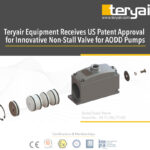


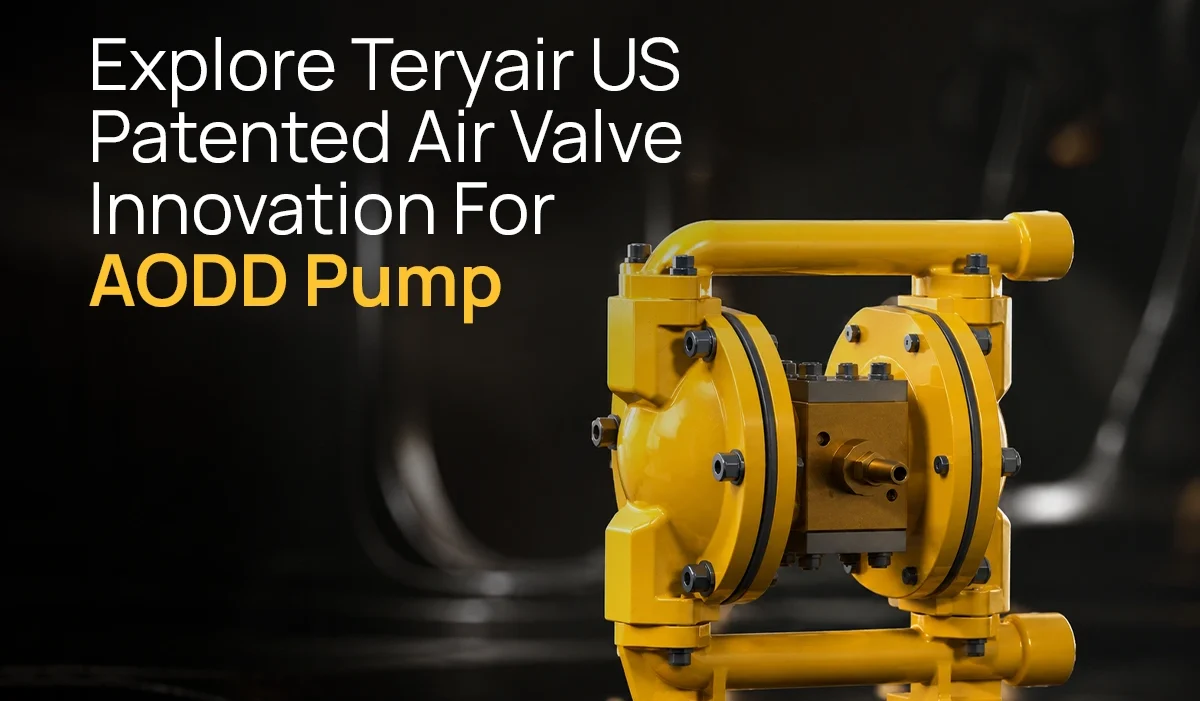
Innovation rarely happens overnight. It is usually the result of years spent studying how equipment behaves in the field, listening to operators, and asking one simple question: how can this work better? That is exactly the story behind a recent engineering milestone that has caught the attention of plant managers, procurement teams, and fluid-handling specialists across industries. A US patent has now been granted for a novel air valve mechanism used inside a double diaphragm pump, and it is set to change the way reliability and maintenance are approached on the shop floor.
If you work with compressed-air-driven pumping systems, this development is worth understanding in detail, because it directly addresses two of the most common frustrations reported by users: stalling and lubrication dependency.
Why Traditional Diaphragm Pump Designs Fall Short
Before looking at the innovation itself, it helps to understand the problem it solves. A double diaphragm pump works by using compressed air to alternately push and pull two diaphragms, which in turn move fluid through the system. It’s a simple, robust concept that has made these pumps popular in chemical processing, wastewater treatment, food and beverages production, and pharmaceutical manufacturing.
However, the air valve at the heart of a conventional air-operated double diaphragm pump has long carried a few inherent weaknesses. Many designs are prone to stalling at the end of each stroke, especially at low air pressure or when handling viscous fluids. Others require regular lubrication to keep internal components moving smoothly, which adds to maintenance schedules and operating costs. Over years of continuous use, these small inefficiencies add up to lost production time and higher total cost of ownership.
The Patented Air Valve Innovation Explained
The newly patented technology reimagines how compressed air is directed and controlled inside the pump. Rather than relying on the stall-prone mechanisms found in older designs, the new air valve method uses air in a more precise, self-correcting sequence. This allows the shift cycle to complete reliably every single time, virtually eliminating the stalling issue that has plagued this pump category for decades.
Just as importantly, the redesigned valve mechanism removes the need for lubrication entirely. That single change has a ripple effect across the whole maintenance profile of an AODD pump: fewer scheduled service intervals, reduced risk of contamination in sensitive applications, and lower long-term running costs. For operations where downtime translates directly into lost revenue, this kind of dependable, low-maintenance performance is a meaningful competitive advantage.
Key Benefits Delivered By The Innovation
- Enhanced Reliability – By minimizing stalling, the pump maintains a consistent, uninterrupted flow cycle even under variable air pressure or fluid viscosity conditions.
- Lubrication-Free Operation – Removing the lubrication requirement reduces both maintenance labor and the recurring cost of consumables.
- Improved Energy Efficiency – Optimized use of compressed air means less wasted energy per cycle, which supports sustainability goals alongside cost savings.
- Longer Service Life – With fewer stress points and less wear from stalling, the internal components of the double diaphragm pump experience less cumulative fatigue over time.
Together, these improvements make a strong case for why facilities relying on air-operated diaphragm pumps should pay close attention to how this technology gets adopted across the industry.
Industries That Stand To Benefit
The applications for this patented innovation extend well beyond a single sector. Any industry that depends on the safe, efficient transfer of fluids can benefit from a more dependable diaphragm pump:
- Chemical Processing: Handling corrosive or hazardous fluids demands equipment that won’t unexpectedly stall mid-cycle, and lubrication-free operations reduce contamination risk.
- Wastewater Treatment: Continuous, unattended operation is critical, and reduced maintenance visits mean fewer disruptions to treatment schedules.
- Food and Beverage: Hygiene standards make lubrication-free pumping especially valuable, since there’s no risk of oil or grease contaminating the product line.
- Pharmaceutical Manufacturing: Precision and consistency in fluid transfer are non-negotiable, and a stall-free air-operated double diaphragm pump helps maintain strict process control.
Each of these industries has historically had to work around the limitations of conventional air-operated diaphragm pumps, whether that meant building in extra maintenance windows or accepting occasional stalling as a cost of doing business. This innovation offers a path toward eliminating those workarounds.
What This Means for The Broader Pump Industry
Patents of this kind don’t just benefit a single product line, they tend to push an entire industry forward. When a fundamentally better way of controlling airflow inside a pump is proven and protected, it sets a new benchmark that others in the space are compared against. For buyers evaluating equipment, understanding which suppliers have real, patented engineering advances versus incremental design tweaks can make all the difference in long-term equipment performance.
This is also a signal worth noting for AODD pump manufacturers more broadly. As industries continue to prioritize uptime, sustainability, and lower total cost of ownership, the pressure to innovate around core mechanisms like the air valve will only increase. Businesses that invest in solving foundational engineering problems, rather than just refining the surface-level features of a double diaphragm pump, are the ones likely to lead the next phase of growth in fluid-handling technology.
Summary
Every so often, an engineering breakthrough comes along that quietly resets expectations for an entire category of equipment. This patented air valve innovation does exactly that for pump technology, tackling stalling and lubrication dependency at their root cause rather than working around them. For plant operators, procurement teams, and engineers evaluating their next fluid-handling investment, it’s a development well worth following closely.
As this technology moves from patent to practical application, Teryair is committed to bringing these advancements to customers who depend on consistent, low-maintenance pumping performance across demanding industrial and marine environments. To learn more about how this innovation is being incorporated into current product lines, explore the official patent announcement from Teryair and stay updated on what’s next for reliable, air-driven fluid transfer solutions.
FAQs
Unlike conventional valve mechanisms that can stall at the end of a stroke, the patented design uses a more precise, self-correcting air sequence. This keeps the pump cycling reliably without the interruptions common in older double diaphragm pump models.
Yes. The redesigned valve mechanism is built to operate without lubrication, which cuts down on routine maintenance tasks, lowers consumable costs, and reduces the risk of contamination in sensitive applications like food, beverage, and pharmaceutical processing.
Any industry that relies on air-operated diaphragm pumps for fluid transfer stands to gain, but the impact is especially significant in chemical processing, wastewater treatment, food and beverage production, and pharmaceutical manufacturing, where reliability and hygiene are critical.
It’s designed to. By reducing stalling-related stress and removing lubrication-based wear points, the internal components experience less cumulative fatigue, which can extend the service life of the pump compared to conventional designs.
It raises the bar for the entire industry. As buyers become aware of the reliability and maintenance advantages this technology offers, manufacturers are likely to face growing pressure to innovate around core mechanisms like the air valve rather than relying on incremental design updates.