
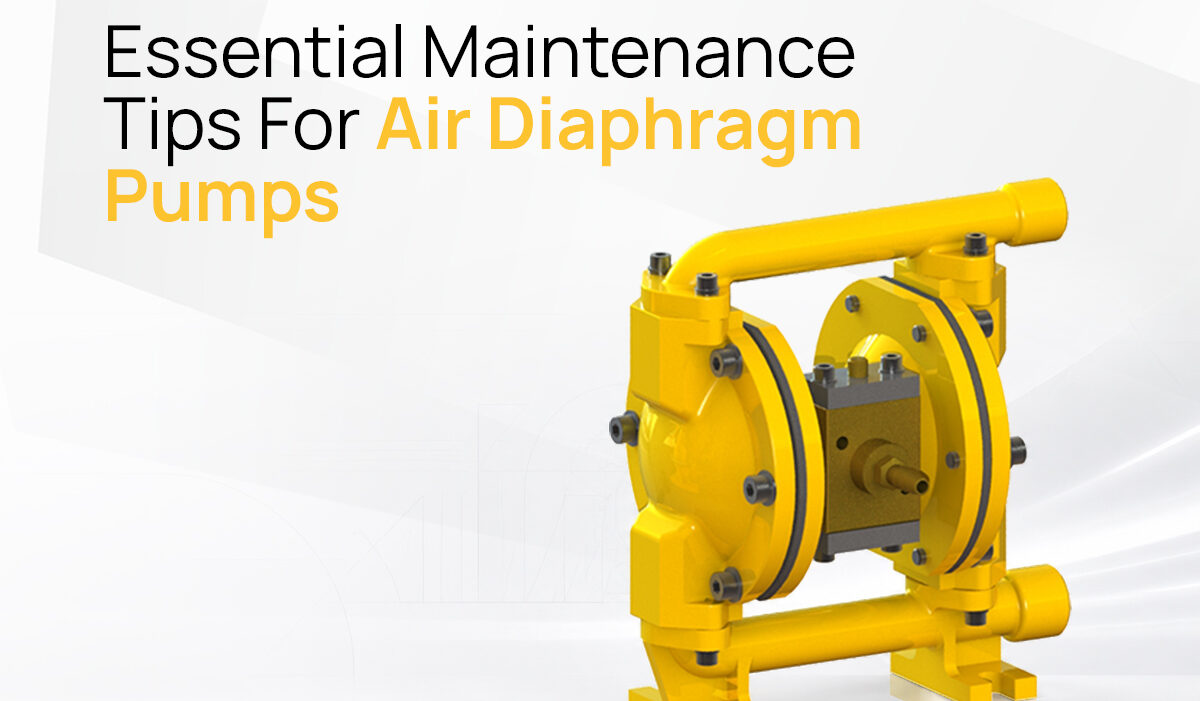
The ability to move fluids properly is vital in many industries, so reliability is not optional – it is required. When pumping chemicals, slurries, solvents, and other process fluids, diaphragm pumps should perform reliably every single day. That said, even the most ruggedly constructed pumping systems must be properly maintained to work at their highest efficiency and deliver the longest service time.
Teryair recognizes that while you have invested in pumping equipment of the highest quality, the way that you maintain the pumping equipment is very important as well. Preventing unexpected downtime due to poor maintenance of your diaphragm pump or the need to replace diaphragm pumps that are not properly maintained will save operational costs and provide longer combined service time for your diaphragm pump projects. Furthermore, by keeping your air diaphragm pumps properly maintained, they will provide years of reliable service and continue to satisfy the safety and performance expectations you have for them in demanding industrial environments.
This maintenance guide details the various maintenance tips every operator and maintenance personnel should be familiar with to continue to properly maintain their diaphragm pumps and provide optimal performance.
Importance Of Maintenance
Because diaphragm pumps have a great deal of flexibility in design and operation and can be used to pump all types of fluids, they are typically seen as being very reliable. However, the components of a diaphragm pump, which include the diaphragm(s), check valve, air valve, and seals, will wear out over time.
Routine inspection and preventive maintenance can provide the following benefits for your company:
- Increase the life of your pumps
- Decrease unplanned product stoppages
- Increase pumping efficiencies
- Avoid costly repairs
- Improve employee safety
Routine maintenance of your diaphragm pumps is particularly important if you are running 24/7 or are using aggressive chemicals or materials that can wear out pump components quickly. Most maintenance guides will recommend the periodic inspection of the diaphragm(s), valves, air system, etc., for your diaphragm pumps to help reduce the chances of your pumps failing and stopping production.
Conduct Periodic Inspections Of Diaphragms
Diaphragms are one of the key parts of an air diaphragm pump. They create the pumping action that moves the fluid throughout the pump system.
Over time, a diaphragm may become:
- Fatigued due to material
- Cracked or torn
- Degraded by chemicals
- Less flexible
Regularly inspecting the diaphragm will allow you to identify wear before it results in leakage and/or decreased performance. Many experts recommend scheduling inspections of diaphragms based on operating hours and/or application conditions.
If you can replace the diaphragm before it fails, you can avoid a great deal of expensive downtime and also avoid causing damage to other components of the pump system.
Monitor The Quality Of Your Air Supply
The compressed air that drives diaphragm pumps must be from a high-quality source in order to maintain performance levels and minimize wear on components.
To optimize the operation of your diaphragm pump, consider the following:
- Maintain clean air filters.
- Dewater the air supply lines.
- Inspect regulators on a routine basis.
- Check for adequate operating pressure.
Often, poor-quality air supply leads to problems at the air valve, reduced efficiency, and increased maintenance of your pumping system. Many industry troubleshooting and reference books also indicate that poor-quality air supply contributes to most of the problems associated with diaphragm pump performance.
For this reason, a clean and properly regulated air supply will greatly increase the life of your pumping system.
Maintain Clean Check Valves
Control the direction of fluids by using check valves in your pump. A build-up of debris around these valves can significantly reduce pumping efficiency.
To make sure everything is working properly, maintenance teams should regularly inspect:
- Valve ball
- Valve seat
- Internal passage
- Fluid chamber
Even small pieces of debris can affect the ability of the check valve to seal properly, creating either low flow or total pump failure. Recent reports from field maintenance indicate that inspecting and cleaning check valves have been identified as one of the most critical preventive maintenance actions for diaphragm pumps. Facilities with abrasives or solids in their fluids should inspect their check valves even more frequently.
Examine Your Pump For Any Air Leakage
Air leakage is one of the main causes of low performance from a pump.
Signs of an air leak include:
- Lower capacity of pumping
- Higher air usage
- Inconsistent operating cycles
- Lower pressure at discharge
When inspecting your equipment regularly, be sure to check:
- All air connections
- All air fittings
- All air seals
- All air Valve Assemblies
Taking care of these leaks quickly will help you maintain efficiency, while also decreasing the amount of Compressed Air you are using and the Operating Costs. By sealing an AODD pump correctly, you can improve the efficiency and consistency of the equipment for its entire life.
Ensure Proper Tightening Of Fasteners And Connections
Pumps in an industrial environment are often subjected to vibrations, fluctuations in pressure, and variations in temperature.
Over an extended period of time, these conditions can cause the following to become loose:
- Mounting hardware
- Fluid connections
- Air fittings
- Fastening bolts
Routine checks on pump assemblies can ensure that all components are properly secured and functioning properly. Maintenance personnel routinely recommend verifying the tightness of the hardware as part of a scheduled inspection program to assist in limiting the potential for leaking and damage to components. Minimal inspection can eliminate potential major operational issues later.
Pump Down After Exposure
Many types of process fluid have residual material that can either harden, crystallize, or corrode (depending on the process fluid’s properties) to internal parts when they are allowed to remain in the pump.
For aggressive material applications, always conduct:
- A full flush
- A flush using compatible cleaning fluids
- Removal of any residual product build-up
- Cleaning of strainers and filters
By following regular cleaning procedures, you will help protect the life of the diaphragm, valves, and fluid chamber from premature wear. All of the industry maintenance recommendations are to flush the pump after use, especially when working with chemical or abrasive materials. By utilizing this simple maintenance procedure, you will greatly extend the life of the pump and its components.
Monitor Performance Of Pumps
The most effective maintenance approach includes watching for changes in pump operation.
Operators should keep track of the following:
- Consistency in flow rates
- Air used
- Speed at which pumps cycle on/off
- Pressure when water exits the pump
- Unusual vibration(s)
Pump behaviour can often be a clue to the developing maintenance need before an actual breakdown occurs if the operator has enough experience.
Air Valve System Maintenance
A well-functioning air valve is crucial for the proper functioning of an air-operated diaphragm pump by controlling how pneumatic pressure interacts with the diaphragms.
Air Valve Maintenance should include:
- Cleaning out the air passages
- Inspecting the components of the valve
- Replacing any worn seals
- Removing any contaminants
Air valve contamination commonly leads to operational troubles and is regarded as a principal troubleshooting concern in industry repair reference guides for air-operated diaphragm pumps and air diaphragm pumps overall. Further, proper air valve maintenance ensures that the pump operates efficiently and consistently cycles properly through its full range of functions.
Create A Preventive Maintenance Schedule
Delayed maintenance can lead to costly repairs, lengthy downtimes, or an absence of dependable means of keeping operations running smoothly. Therefore, to maximize the efficiency and profitability of your organization’s operation, develop a Preventive Maintenance Schedule that includes:
Daily Checks
- Inspect for leaks.
- Verify the quality of the compressed air source.
- Observe pump operation.
Weekly Checks
- Inspect hose assemblies and other connectors.
- Clean filter elements.
- Inspect connection fittings.
Monthly Checks
- Review the diaphragm condition.
- Inspect the mounting hardware.
- Evaluate overall performance.
Regular Maintenance
- Change worn parts
- Perform a complete inspection of the system
- Evaluate usage history
Using an organized maintenance program will increase efficiency for all AODD pumps in your company’s building. Following a systematic approach to regular maintenance continues to be used as a means of improving the reliability of your equipment while minimizing unexpected downtime.
Train Operators And Maintenance Teams
An operator’s level of knowledge is critical to how well air-operated diaphragm pumps will perform. Proper training enables operators to:
- Recognize the signs of developing problems early
- Conduct regular inspections
- Initiate the equipment in accordance with the correct procedures
- Avoid frequent mistakes that can occur during operations.
Having a better understanding of the way the system operates makes operators more capable of preventing excessive wear as well as helping to expedite their response to developing issues.
Utilizing Genuine Replacement Parts
Genuine Replacement Parts are important to their continued performance and reliability. If you are using diaphragms, valve assemblies, seals, or air valve kits, ensure that they are to the OEM specifications of the pump. Proper matching of components for a double diaphragm pump will ensure that flow rates, efficiency, and operational safety are maintained, thereby minimizing the potential for premature failures.
Summary
When properly maintained, an air diaphragm pump will provide reliable operation, operate at low costs, and have a long service life. By doing the following about your pumps: inspecting diaphragms, managing air quality, maintaining valves, preventing leaks, cleaning procedures, and performing preventive maintenance, the reliability of your equipment can be greatly improved.
No matter where you use your AODD pump, whether it’s a chemical processing location, in manufacturing, on the water, or in a wastewater treatment plant, proactive maintenance is the secret to long-term success.
At Teryair, our commitment is to provide fluid handling solutions that deliver high performance and support safe, efficient, and reliable industrial operations. With the proper maintenance program in place, as well as a quality air-operated double diaphragm pump, businesses can increase productivity and decrease downtime and maintenance expenses.
Regular maintenance helps extend pump life, improve pumping efficiency, reduce unexpected downtime, and prevent costly repairs while ensuring safe operation.
Diaphragms should be inspected periodically based on operating hours, fluid type, and application conditions to identify wear before it causes leakage or performance issues.
Common signs include reduced pumping capacity, increased air consumption, irregular cycling, and lower discharge pressure.
A clean and properly regulated compressed air supply helps prevent air valve issues, improves efficiency, and reduces maintenance requirements, ensuring reliable pump operation.
A preventive maintenance schedule should include daily leak inspections, weekly filter and fitting checks, monthly diaphragm evaluations, and periodic replacement of worn components to maintain optimal performance.