

Industrial power systems are evolving faster than ever, and at Teryair, we see this shift up close every single day. As industries push for safer, leaner, and more sustainable operations, one technology keeps proving its worth across sectors: the pneumatic vane motor. From oil & gas rigs to pharmaceutical cleanrooms, this compact powerhouse is quietly becoming the go-to choice for engineers who need dependable motion control without the risks that come with electrical alternatives. In this blog, we break down the biggest trends shaping this technology in 2026, and why understanding them matters for your next equipment decision.
Why The Vane Pneumatic Motor Is Having A Moment In 2026
For decades, industries relied heavily on electric motors for rotary motion. But as hazardous-area compliance requirements tighten and sustainability targets get stricter, more plant engineers are re-evaluating their equipment choices. This type of air motor runs on compressed air rather than electricity, which instantly removes the risk of sparking in explosive atmospheres. This single advantage has made the vane pneumatic motor a preferred choice in oil & gas, chemical processing, and marine environments where a single spark can mean disaster.
Beyond safety, 2026 has brought a renewed focus on total cost of ownership. Maintenance teams are tired of replacing burnt-out windings and dealing with overheating electric drives. A well-engineered pneumatic motor, by contrast, is built to run continuously without overheating, and many models on the market today are designed for minimal lubrication or fully lubrication-free operation. That means less downtime, fewer spare parts, and a lower long-term cost per unit of work delivered.
Trend 1: Compact, High-Torque Designs
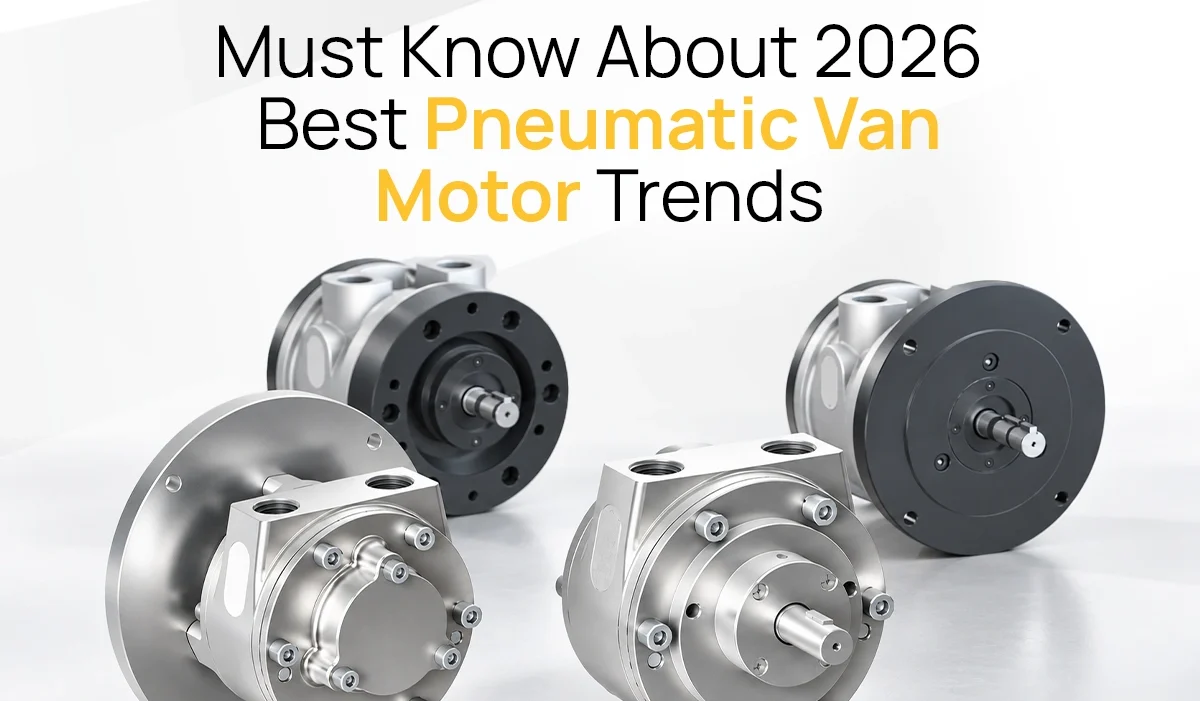
One of the clearest trends this year is the demand for smaller footprints without sacrificing torque output. Engineers are increasingly specifying a pneumatic vane motor for applications where space is tight but power requirements remain high, such as portable tools, mixers, and automated production lines. Manufacturers have responded by refining vane geometry and internal airflow paths, allowing this compact unit to deliver more torque per cubic inch than earlier generations. This trend is particularly visible in industries like food & beverages and cosmetics & pharma, where equipment often needs to fit into compact, hygienic production cells.
Trend 2: Hazardous-Area Certification Is Now Non-Negotiable
Regulatory bodies across Europe, Italy, Denmark, and the Netherlands have sharpened their focus on equipment used in explosive or flammable environments. In 2026, buyers are no longer treating certifications like ATEX, CE, or IECEx as a nice-to-have; they are baseline requirements. This has pushed manufacturers to design every pneumatic motor with certification in mind from the earliest design stages, rather than retrofitting compliance later. For plant managers sourcing equipment for oil & gas, fuel transfer, or chemical processing operations, this shift means faster approvals and fewer compliance headaches when integrating new machinery.
Trend 3: Smarter Integration With Automation Systems
Automation isn’t just for electric drives anymore. A growing number of facilities are integrating this air-driven equipment into automated and semi-automated production lines, pairing it with sensors and control valves that regulate air pressure, speed, and torque in real time. This gives plant operators the reliability and safety of pneumatic power along with the precision control that automated environments demand. Expect this trend to accelerate through the rest of 2026 as more OEMs design equipment around modular, easy-to-integrate air motor units.
Trend 4: Sustainability And Energy Efficiency Take Centre Stage
Sustainability reporting has become a boardroom priority, and equipment choices now factor directly into a company’s environmental footprint. A pneumatic motor system, when paired with an efficient compressed-air network, can significantly reduce energy waste compared to older, inefficient electric alternatives, especially in intermittent-duty applications. Facilities are also investing in airflow optimization and leak-detection programs to make sure the compressed air powering their equipment isn’t going to waste. This dual focus on equipment efficiency and system-level air management is one of the defining sustainability trends of 2026.
Trend 5: Longer Service Life Through Better Materials
Material science continues to push the performance boundaries of pneumatic equipment. New vane and rotor materials with improved wear resistance are allowing a pneumatic vane motor to run longer between service intervals, even in continuous-duty applications. Surface coatings, precision machining, and improved sealing technologies are combining to reduce internal wear, which translates directly into fewer replacement parts and less unplanned downtime for maintenance teams. This is especially valuable for industries running 24/7 operations, such as mining and heavy manufacturing, where every hour of downtime carries a real cost.
Trend 6: Rising Demand Across Emerging Markets
Global manufacturing hubs across Europe, Italy, Denmark, and the Netherlands are ramping up industrial capacity, and with that comes rising demand for safe, reliable motion-control equipment. As more of these regions adopt stricter hazardous-area regulations, the vane pneumatic motor is becoming a standard specification rather than an alternative option. This geographic shift is reshaping supply chains, with manufacturers focusing on building stronger distribution networks to meet demand closer to where it’s needed.
What This Means For Your Operations
If your facility still relies heavily on electric motors for applications in hazardous or high-duty environments, 2026 is a good year to reassess. The combination of tighter safety regulations, rising energy costs, and growing automation needs makes a strong case for switching to, or expanding your use of, pneumatic motor technology. Whether you’re running a chemical processing plant, a marine vessel, or a pharmaceutical production line, the right air motor can reduce risk, cut maintenance costs, and keep your operations running without interruption.
Key questions worth asking before you upgrade or specify new equipment:
- Does the application operate in a hazardous or explosive environment?
- Is continuous-duty performance a priority, and can the current motor handle it without overheating?
- Are current maintenance costs and downtime higher than they should be?
- Does the equipment meet the certification standards required in your region?
Answering these honestly will help you determine whether such an upgrade belongs on your 2026 roadmap.
Summary
2026 is shaping up to be a defining year for pneumatic power systems, driven by safety regulations, sustainability goals, and the push toward smarter automation. Staying ahead of these trends isn’t just about following the market, it’s about protecting your people, your equipment, and your bottom line. At Teryair, we’ve spent decades engineering pneumatic solutions built for exactly these demands, and we’re committed to helping industries navigate what comes next with equipment that’s reliable, safe, and built to last. If you’re ready to explore how the latest motion-control technology can support your operations, our team is here to help you find the right fit.
FAQs
A pneumatic vane motor is a rotary device powered by compressed air instead of electricity. Air pressure pushes against vanes inside the motor, creating rotational motion. Because it doesn’t rely on electrical current, it eliminates the risk of sparking, making it ideal for hazardous or explosive environments.
Electric motors carry spark risk and higher maintenance needs from burnt-out windings and overheating. A well-engineered pneumatic motor runs continuously without overheating, often needs minimal or no lubrication, and lowers long-term costs through reduced downtime and fewer spare parts.
Sectors like oil & gas, chemical processing, marine, food & beverages, cosmetics & pharma, and mining benefit significantly. These industries need equipment that’s compact, safe in explosive atmospheres, and capable of continuous-duty performance.
Certifications like ATEX, CE, and IECEx confirm that equipment meets safety standards for explosive or flammable environments. In 2026, regulators across Europe and other regions treat these as baseline requirements, not optional extras, so certified equipment ensures faster approvals and fewer compliance issues.
Yes. Modern designs pair easily with sensors and control valves that regulate air pressure, speed, and torque in real time, giving facilities the reliability of pneumatic power along with the precision control needed in automated or semi-automated production lines.
Consider an upgrade if your equipment operates in a hazardous environment, needs continuous-duty performance, faces high maintenance costs or frequent downtime, or must meet stricter regional certification standards. If any of these apply, switching to a pneumatic motor is worth evaluating.