

Industrial equipment doesn’t stay still for long. As factories automate, safety regulations tighten, and industries push into more hazardous and demanding environments, the tools that power daily operations have to keep evolving too. One component quietly shaping this shift is the rotary vane air motor, a compact, air-driven solution that has become essential across sectors ranging from oil and gas to marine engineering. As global industries look toward safer, more sustainable, and more efficient operations, understanding where this technology is headed matters more than ever. Teryair has been closely tracking these shifts as demand for dependable pneumatic solutions continues to grow worldwide.
Why Rotary Vane Air Motors Matter Today
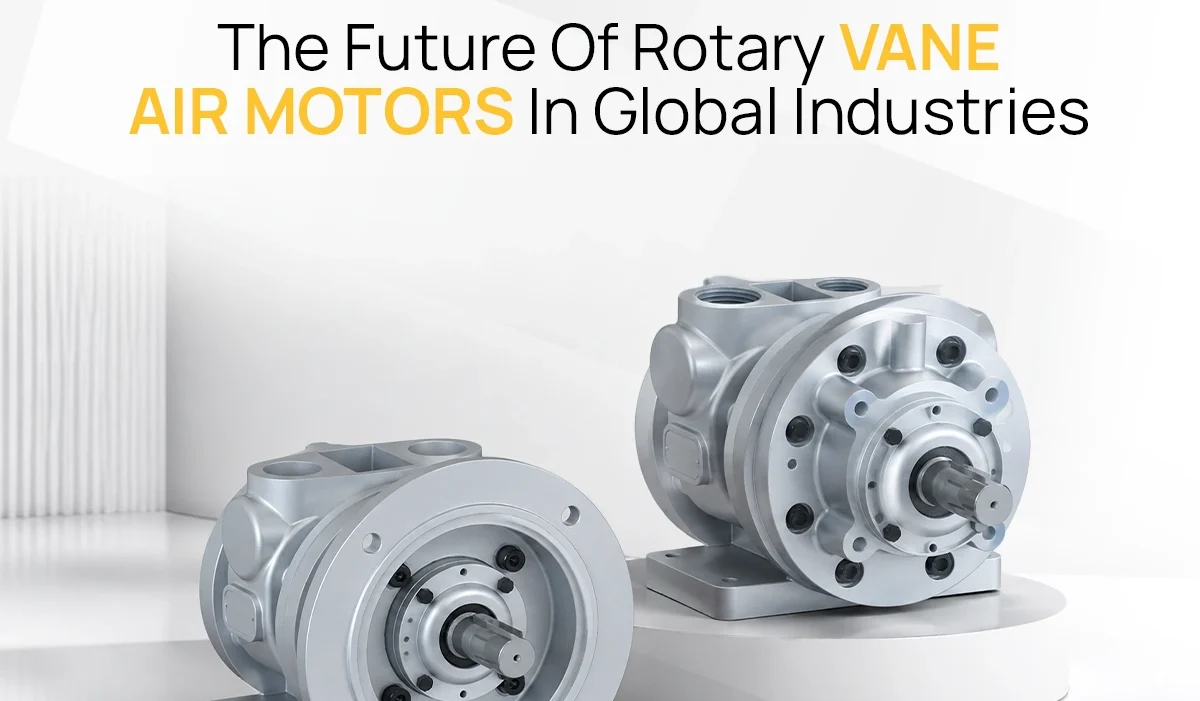
At their core, these motors convert compressed air into rotational mechanical energy using a series of vanes housed inside a cylindrical rotor. This simple yet effective design has made the rotary vane air motor a preferred choice in environments where electrical equipment introduces unacceptable risk. Unlike electric motors, these units don’t generate sparks, making them ideal for explosive or flammable atmospheres found in chemical plants, refineries, and offshore platforms.
Beyond safety, the appeal lies in durability. These motors are built to handle continuous operation under harsh conditions, resist overheating, and function reliably even when exposed to dust, moisture, or extreme temperatures. This combination of safety and resilience is exactly why industries have relied on the air vane motor for decades, and why its relevance is only growing as operational standards become stricter.
The Push Toward Safer Industrial Environments
One of the biggest forces shaping the future of this technology is the global tightening of safety regulations. Industries handling volatile chemicals, fuels, and gases are under increasing pressure to eliminate ignition risks wherever possible. This has accelerated adoption of the air vane motor across sectors that previously relied more heavily on electrical alternatives.
As hazardous area classifications become more standardized across international markets, manufacturers are being asked to certify their equipment against stricter benchmarks. This is pushing innovation in materials, sealing technology, and internal component design, ensuring that a pneumatic vane motor can perform reliably even in the most demanding classified zones.
Automation And The Growing Role Of Pneumatic Power
As factories move toward greater automation, pneumatic systems are proving to be a natural fit for powering rotary motion in tools, conveyors, and rotating equipment. A pneumatic motor offers a level of simplicity and reliability that complements automated product lines, particularly where consistent torque and controlled speed are essential.
What makes this especially relevant for the future is how well these systems integrate into hybrid automation setups, where pneumatic components work alongside electric and hydraulic systems. This flexibility is helping air-driven rotary systems find new applications in packaging, material handling, and precision assembly operations that require dependable rotational force without added electrical risk.
Sustainability And Energy Efficiency Considerations
Sustainability is no longer a secondary concern for industrial buyers, it’s becoming a core purchasing criterion. While pneumatic systems have historically been viewed as less energy-efficient than electric alternatives, ongoing engineering advancements are closing that gap. Improved air valve designs, better sealing mechanisms, and optimized internal airflow are allowing manufacturers to build a more efficient rotary vane air motor that consumes less compressed air per unit of output.
This matters because compressed air generation carries real energy costs, and any improvement in motor efficiency translates directly into lower operational expenses. As industries continue to prioritize sustainability targets, expect ongoing innovation focused on maximizing performance while minimizing air consumption across these systems.
Expanding Applications Across Global Industries
The versatility of rotary vane air motor technology means its applications continue to expand well beyond traditional heavy industry. In marine operations, these motors are widely used to power winches, deck equipment, and tank cleaning systems, where saltwater exposure and space constraints demand rugged, low-maintenance solutions. In food and beverage processing, hygiene requirements make lubrication-free or minimal-lubrication designs increasingly attractive.
Mining, construction, and pharmaceutical manufacturing are also seeing growing use of vane pneumatic motor technology, particularly in applications requiring variable speed control, compact installation footprints, or operation in classified hazardous zones. As these industries modernize their equipment fleets, demand for dependable, air-driven rotational power is expected to rise steadily.
What’s Next For This Technology
Looking ahead, several trends are likely to define how this equipment category develops. First, expect continued miniaturization, as industries seek more power in smaller housings to fit increasingly compact machinery designs. Second, smart monitoring integration is likely to become more common, allowing operators to track performance metrics like air consumption and output torque in real time, even on traditionally simple mechanical systems.
Third, materials science will play a growing role. As manufacturers experiment with more advanced alloys, coatings, and composite materials, the durability and lifespans of these components should continue to improve, reducing long-term maintenance costs for end users. Together, these developments point toward a future where a pneumatic motor isn’t just a safer alternative to electrical equipment, but a genuinely optimized solution in its own right.
Staying Ahead In A Changing Industrial Landscape
For buyers and procurement teams, staying informed about these developments is critical when planning long-term equipment investments. Choosing suppliers who actively innovate around efficiency, safety compliance, and material durability will matter more as global standards continue to rise. Equipment that seemed adequate a decade ago may no longer meet the expectations of modern hazardous area certifications or sustainability goals.
Industries that adapt early, integrating updated air vane motor technology into their operations, are likely to see fewer compliance headaches and lower long-term maintenance costs compared to those relying on outdated equipment.
Summary
The future of this technology is being shaped by three converging forces: stricter safety standards, growing automation, and rising sustainability expectations. As these pressures continue to reshape global industries, dependable, air-driven rotational power will remain a critical part of how factories, refineries, and marine operations get work done safely and efficiently. From compact assembly lines to demanding offshore platforms, the pneumatic vane motor continues to prove itself as a reliable answer to modern industrial challenges, and its role is only expected to grow as safety and efficiency standards rise together.
As these trends continue to unfold, Teryair remains committed to engineering pneumatic solutions built for the demands of tomorrow’s industries. To explore current offerings supporting this evolving landscape, visit the official patent page and see how ongoing innovation continues to shape reliable, hazard-resistant equipment for industries around the world.
FAQs:
It converts compressed air into rotational mechanical energy using vanes inside a cylindrical rotor, making it ideal for powering tools, conveyors, winches, and rotating equipment, especially in hazardous or explosive environments where electrical motors pose a spark risk.
Because they don’t generate sparks, these motors are safer in explosive or flammable atmospheres, such as those found in chemical plants, refineries, and offshore platforms. They’re also durable, resistant to overheating, and can operate reliably in dusty, moist, or extreme-temperature conditions.
While pneumatic systems have traditionally been considered less efficient than electric alternatives, ongoing improvements in valve design, sealing mechanisms, and internal airflow are helping manufacturers build motors that use less compressed air per unit of output, narrowing the efficiency gap.
They’re widely used in oil and gas, marine engineering, food and beverage processing, mining, construction, and pharmaceutical manufacturing, particularly where variable speed control, compact size, or hazardous-zone operation is required.
They integrate well into hybrid automation setups, working alongside electric and hydraulic systems to provide consistent torque and controlled speed. This makes them a natural fit for packaging, material handling, and precision assembly operations.
Key trends include miniaturization for compact machinery, integration of smart monitoring to track performance metrics such as air consumption and torque in real time, and advances in materials science that improve durability and reduce long-term maintenance costs.