
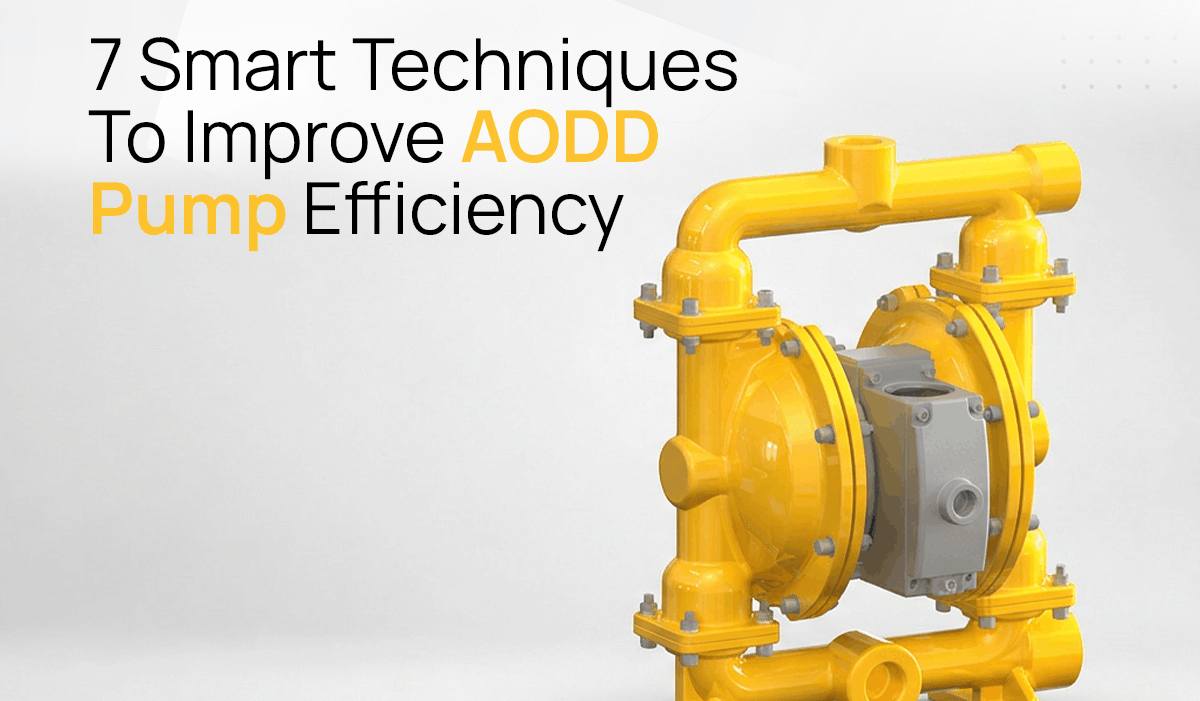
At Teryair, we work with industries every day that depend on one thing above everything else, consistent, efficient fluid transfer. Whether it’s chemical processing, marine operations, pharmaceuticals, or heavy-duty manufacturing, the performance of an AODD pump often determines how smoothly an entire production line runs. Over the years, we’ve seen firsthand how small adjustments in operation and maintenance can make a significant difference in output, downtime, and long-term reliability. Air-operated diaphragm pumps are built to be rugged and dependable, but even the most durable equipment performs better when it’s operated and maintained the right way. So, we wanted to share seven techniques we’ve found that genuinely move the needle when it comes to getting the most out of your equipment.
1. Choose The Right Diaphragm Material For Your Fluid
Efficiency starts before the pump even begins running, it starts with material selection. A double diaphragm pump handling corrosive, abrasive, or high-viscosity fluids needs a diaphragm material engineered to withstand that specific chemical environment. Using the wrong material accelerates wear, increases replacement frequency, and eventually affects overall pump output. At Teryair, we always recommend matching diaphragm composition to the fluid being transferred, since this single decision often prevents a majority of premature failures we see in the field. It’s a small step during procurement that saves considerable time and cost later in the equipment’s operational life.
2. Maintain Optimal Air Pressure Settings
One of the most overlooked factors affecting pump performance is air pressure regulation. Running equipment at unnecessarily high pressure doesn’t just waste compressed air, it accelerates internal wear and shortens diaphragm life. We’ve found that operators who fine-tune air pressure to match actual process requirements, rather than defaulting to maximum settings, see noticeably longer service intervals and steadier output across shifts. This is one of the simplest, most cost-effective changes any team can make, and it often delivers results within the very first week of implementation.
3. Keep Suction Lines Clean And Properly Sized
An air-operated double-diaphragm pump is only as efficient as the suction line feeding it. Undersized piping, sharp bends, or debris buildup in suction lines force the pump to work harder than necessary, which reduces efficiency and increases energy consumption. Regularly inspecting and cleaning suction lines, along with ensuring correct pipe sizing during installation, helps maintain consistent flow rates and reduces unnecessary strain on internal components. It’s a straightforward fix, but one that’s easy to overlook once a system has been running for a while.
4. Schedule Preventive Maintenance, Not Reactive Repairs
Reactive maintenance, fixing equipment only after it fails, almost always costs more in downtime than a structured preventive schedule. We recommend routine inspection of check valves, diaphragms, and seals on any AODD pump operating continuously, since catching early signs of wear allows for planned replacement rather than unplanned shutdowns. A well-maintained pump doesn’t just last longer; it maintains consistent efficiency throughout its operational life, which matters far more to production output than most teams initially realize. Building a simple maintenance calendar, even a basic one, tends to pay for itself many times over.
5. Avoid Running The Pump Dry For Extended Periods
While most air-operated diaphragm pumps are designed to handle brief dry-running without damage, extended dry operation still generates unnecessary heat and stress on internal components. Installing basic-level sensors or flow indicators helps operators catch low-fluid conditions early, protecting the pump from avoidable wear and keeping efficiency levels steady over time. This is particularly important in batch processes, where fluid levels can fluctuate quickly and go unnoticed during busy shifts.
6. Balance Flow Rate With Application Requirements
It’s tempting to assume a larger double diaphragm pump automatically means better performance, but oversizing a pump for an application often leads to inefficient operation, excess air consumption, and uneven wear patterns. Matching pump size and flow rate precisely to the application, rather than defaulting to a larger unit “just in case”, tends to deliver better long-term efficiency and lower operating costs. This is an area where a quick technical consultation early on can prevent years of avoidable inefficiency.
7. Partner With Experienced Manufacturers For The Right Fit
Efficiency isn’t only about how a pump is operated, it starts with choosing the right equipment in the first place. Working with experienced aodd pump manufacturers means getting guidance on the correct pump configuration, diaphragm material, and pressure settings suited to your specific application from day one. This upfront expertise often prevents efficiency issues that would otherwise surface months or years into operation, saving both cost and frustration down the line.
Efficiency Is A Continuous Process
Improving AODD pump efficiency isn’t a one-time fix, it’s an ongoing combination of the right equipment, informed operating practices, and consistent maintenance. Every air-operated double-diaphragm system we build at Teryair is designed with this in mind, but the techniques above go a long way in helping operators extract maximum performance from the equipment they already have. Small, consistent habits around pressure settings, maintenance schedules, and fluid handling tend to add up to significant gains over a pump’s operational lifetime.
Summary
If your production line is dealing with inconsistent output, frequent diaphragm replacements, or rising maintenance costs, it may be time to revisit how your AODD pump is being operated and maintained. Air-operated diaphragm pumps are a long-term investment, and getting the small details right ensures that investment continues to pay off year after year. At Teryair, we’re always happy to help teams evaluate their current setup and identify where efficiency gains are possible, because a well-optimized pump doesn’t just save on maintenance, it keeps your entire operation running the way it should.
Service frequency depends on the application, but as a general practice, we recommend inspecting diaphragms, check valves, and seals every few months for pumps in continuous operation. Setting up a preventive maintenance schedule rather than waiting for a failure helps maintain consistent efficiency and extends the pump’s operational life.
Not necessarily. Running the pump at unnecessarily high pressure often accelerates wear on diaphragms and internal components without a proportional gain in output. We recommend fine-tuning air pressure to match your actual process requirements. This typically results in longer service intervals and steadier performance.
Most air-operated diaphragm pumps can handle brief dry-running without issue, but extended dry operation generates unnecessary heat and stress on internal parts. Installing basic-level sensors or flow indicators helps catch low-fluid conditions early, protecting the pump and maintaining consistent efficiency.
Diaphragm material should be selected based on the specific fluid being handled, its chemical composition, viscosity, and abrasiveness all play a role. Using a material not suited to your application accelerates wear and increases replacement frequency. We recommend consulting with your pump manufacturer to match the diaphragm material to your exact process needs.
No, oversizing a pump for an application often leads to inefficient operation, higher air consumption, and uneven wear. The right approach is matching pump size and flow rate precisely to your application requirements, which tends to deliver better long-term efficiency and lower operating costs than defaulting to a larger unit.