

Air-Operated Diaphragm Pumps For Canadian Industry
From the oil sands of Alberta to pulp and paper mills in British Columbia and mining operations across Ontario and Quebec, Canadian industry faces some of the toughest fluid-handling conditions anywhere. Sub-zero winters, remote sites, and abrasive or corrosive process fluids all demand equipment that simply works, without electrical complications or frequent breakdowns. This is where Teryair’s air-operated diaphragm pumps deliver real value, giving Canadian operators a safe, electricity-free way to move difficult fluids reliably, even in the country’s most demanding environments.
Understanding How The Pump Mechanism Works
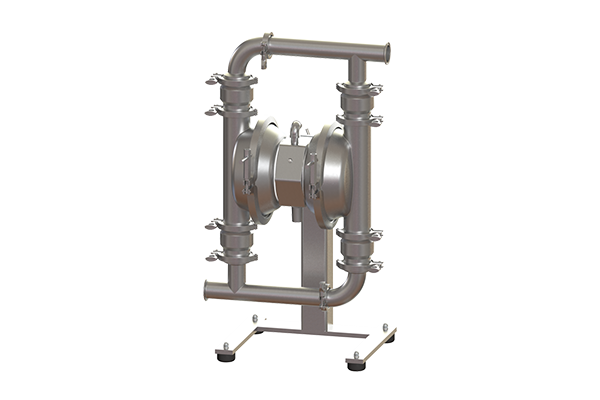
An air-operated double-diaphragm pump uses compressed air to move two flexible diaphragms in alternating strokes, drawing fluid in on one side and discharging it on the other. Because the pump has no electric motor, it’s inherently suited to hazardous or classified zones common across Canadian oil and gas, mining, and chemical processing sites. This simple mechanical principle is also why the pump needs so little servicing, an important factor for remote sites where a technician visit can mean days of downtime.
Why Canadian Industries Rely On AODD Pumps
Process reliability matters most when a stoppage means lost production or a costly service call to a remote site. An AODD pump gives Canadian operators that reliability without the wiring complexity or explosion-proofing costs associated with electric motors. Because the pump is self-priming and can run dry without damage, it fits naturally into Canadian environments where fluid supply can be inconsistent or where equipment needs to be moved between sites through harsh winter conditions.
Advantages that matter most to Canadian industrial buyers include:
- Compliance-ready design suited to CSA and hazardous area requirements
- Dry-run capability that protects the pump during supply interruptions
- Straightforward servicing thanks to minimal moving parts
- Portability for remote sites and seasonal operations
- Controllable, consistent flow for processes with tight tolerances
Where These Pumps Are Used Across Canada
Canada’s industrial base spans everything from heavy resource extraction to precision manufacturing, and this pump category serves a correspondingly wide range of uses:
- Oil and gas operations: transferring crude, produced water, and process chemicals across Alberta’s oil sands and Western Canada’s energy sector
- Mining and mineral processing: handling slurry, tailings, and acidic mine water in remote operations across Ontario, Quebec, and British Columbia
- Pulp and paper mills: moving pulp stock, chemicals, and wastewater through continuous production processes
- Automotive and fleet maintenance: collecting and transferring used engine oil, lubricants, and coolants at service facilities nationwide
- Water and wastewater treatment: handling sludge and treatment chemicals across municipal and industrial sites
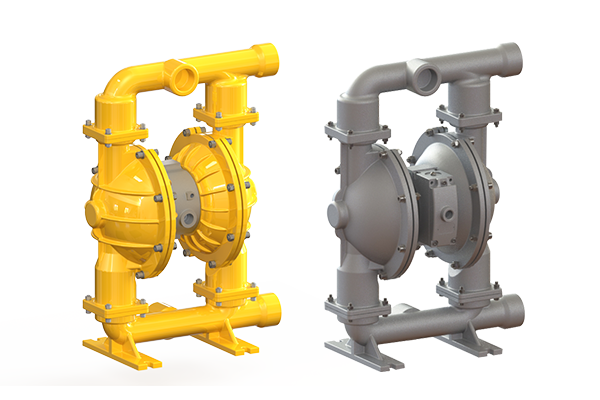
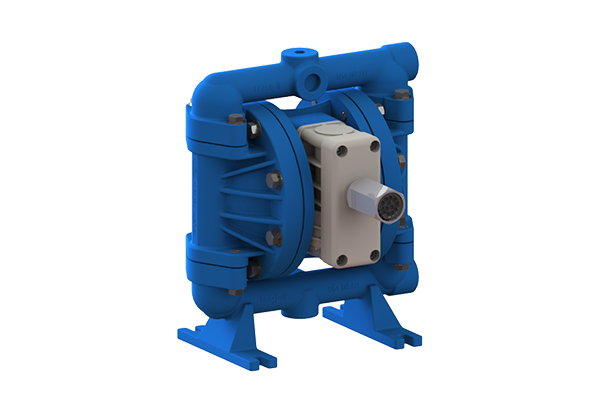
For lighter general-purpose transfer duties, an air diaphragm pump gives Canadian facilities the flexibility to move a wide range of fluids without needing a dedicated electrical supply or complex control panel. In continuous production environments, a heavy-duty double diaphragm pump is often the preferred fit for teams needing dependable, round-the-clock fluid transfer.
Built To Handle Canada’s Most Demanding Fluids
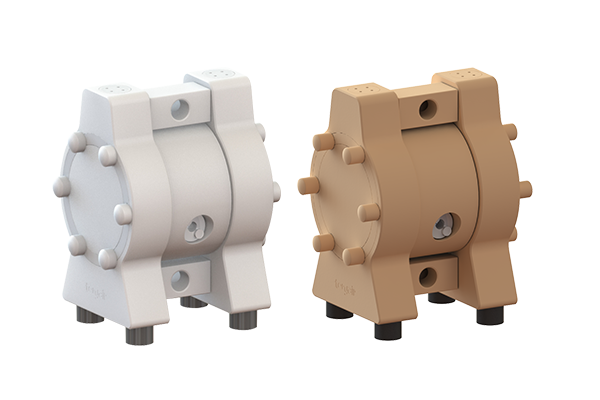
Fluid compatibility is often the deciding factor in pump selection. A PTFE diaphragm pump is the preferred option for facilities handling aggressive acids, solvents, or other highly corrosive chemicals, since PTFE resists chemical attack far longer than standard elastomers. This makes it a natural fit for Canadian chemical processing, mining acid leaching, and industrial cleaning applications where fluid aggression would quickly degrade a lesser pump.
For heavier, continuous-duty transfer, such as slurry handling or high-volume wastewater movement, a double diaphragm pump built for extended run times gives operators the consistency needed without frequent part replacement. Teryair engineers both categories to meet recognised international performance standards, so Canadian businesses aren’t compromising on quality when sourcing equipment internationally.
Why Choose Teryair For Your Pumping Needs In Canada
Teryair has built its reputation on pumps that perform under real operating pressure, not just on a data sheet. When Canadian businesses invest in an AODD pump from Teryair, they get equipment engineered around genuine industrial challenges: aggressive fluids, remote locations, and the need for uninterrupted production through every season.
Our range spans lightweight aluminium pumps for general transfer through to chemical-resistant PTFE diaphragm pump models built specifically for harsh media. Every unit is designed with fewer moving parts, extended diaphragm life, and improved air valve technology, keeping maintenance schedules light and operating costs predictable. For Canadian operators managing multiple sites or remote facilities, that reliability translates directly into fewer unplanned stoppages.
Built For Compliance And Long-Term Performance
Canadian industries operate under strict safety and environmental expectations, and equipment sourcing decisions need to reflect that. Teryair’s air-operated diaphragm pumps are built to international quality and safety standards, giving procurement and engineering teams confidence when specifying equipment for regulated or hazardous environments. Combined with reduced air consumption and lower energy use, our AODD pump range also supports the sustainability targets many Canadian companies are now required to report against, without sacrificing daily performance.
Choosing the right pump depends on the fluid, the environment, and the operational demands of the site. Teryair’s team can help Canadian businesses match the correct air-operated diaphragm pumps to their exact application, whether that’s an oil sands facility in Alberta, a mine site in Ontario, or a pulp and paper mill in British Columbia.
Explore the Categories







FAQ’s
It’s used to transfer liquids that are corrosive, viscous, or contain suspended solids. Across Canada, it’s common in oil and gas, mining, pulp and paper, automotive fleet maintenance, and water treatment applications.
It runs entirely on compressed air. The air alternately pushes two diaphragms back and forth, drawing fluid in on one side and discharging it on the other. This makes it a practical choice for remote Canadian sites without reliable power access.
Yes. Because it has no electric motor to protect from freezing conditions or power interruptions, it’s well-suited to remote oil and gas, mining, and construction sites across Canada that operate through harsh winters.
Yes. Dry-run capability is a key feature of this pump design, meaning it won’t be damaged if the fluid supply is interrupted, which is useful for seasonal or intermittent operations.
Common options include polypropylene, aluminum, stainless steel, and PTFE. A PTFE diaphragm pump is generally chosen for aggressive chemicals or acidic mine water, since PTFE resists corrosion far better than standard elastomers.
Oil and gas, mining and mineral processing, pulp and paper, automotive and fleet maintenance, and water and wastewater treatment are among the biggest users.
It depends on the fluid being handled. Plastic pumps (polypropylene or PTFE) suit corrosive chemicals, while metal pumps (aluminum or stainless steel) are better for abrasive slurries or higher-pressure applications.
No. With fewer moving parts and no mechanical seals, they’re simpler to service than electric or centrifugal pumps, which matters when the nearest technician might be hours away from a remote site.
Yes, when properly sized for the application. These pumps are commonly used in continuous-duty roles such as slurry transfer and wastewater handling, where reliability over long run times matters most.
Sizing depends on flow rate, fluid viscosity, discharge distance, and the type of solids or chemicals involved. Teryair’s team can help match the right pump size and material to your specific application and site requirements.